
Bali is not only white sand beaches and terraced rice paddies. Hidden in the tropical jungle, waterfalls in Bali are one of those secrets that transform a conventional trip into a memorable adventure. The sound of the water crashing against the rock, the cool mist on your face after a trek under the tropical sun, and that moment when you dive into a natural pool surrounded by wild vegetation: that's what awaits you.
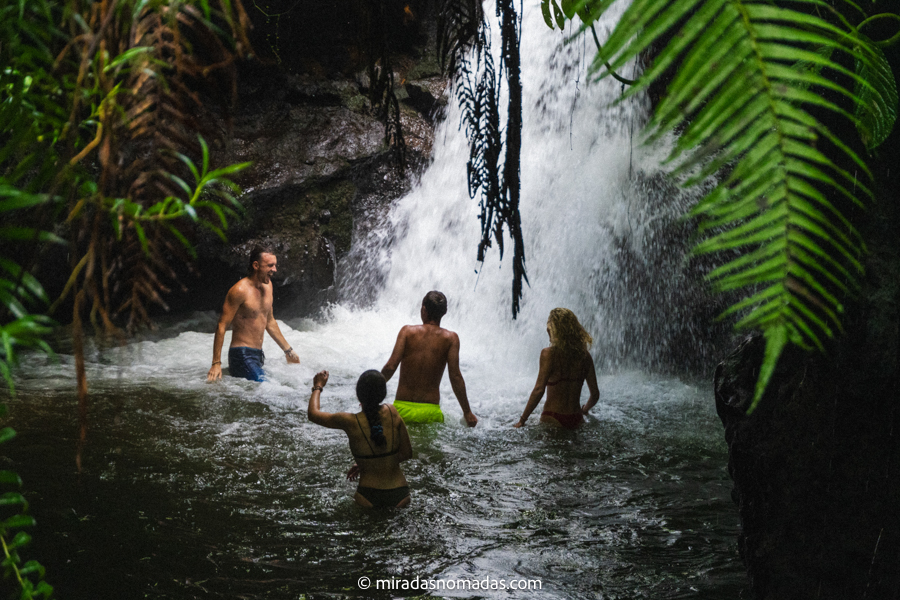
The island has dozens of waterfalls, but not all of them are worth the effort. Some require descending more than 500 steep steps, others are hidden in caves with natural light that creates rainbows, and a few are so overcrowded that they lose their magic. In this guide I take you through the best waterfalls in Bali, The most important of these are the ones that combine natural beauty, reasonable accessibility and authentic experiences.
From the waterfalls in Ubud from perfect for beginners to hidden gems in the north of the island that require determination (and strong legs), here you will find everything you need to plan your water route around Bali.
Quick summary: Which one to choose?
- 🏆 The most impressive: Sekumpul Waterfall - Multiple jets on vegetal wall, postcard perfect
- 📸 The most photogenic: Tukad Cepung - Waterfall inside a cave with divine light beams
- 🥾 The greatest physical challenge: Nungnung - More than 500 steps, but with a reward of 70 meters in height
- 🏊 Best for swimming: Git Git cascade - Accessible and refreshing well in jungle environment
- 🚗 The most accessible: Tegenungan Waterfall - Near Ubud, perfect for families
Preparedness and Safety: Don't underestimate the jungle
The cascades in Bali are not thematic parks. The trails can be slippery, especially during the rainy season (November to March), when the flow increases dramatically but so does the risk. Here are the basics:
Essential equipment:
- Footwear with real grip (forget flip-flops, seriously)
- Swimsuit under clothing if you plan to swim
- Small quick-drying towel
- Reusable water bottle (tropical heat is unforgiving)
- Biodegradable mosquito repellent
- Waterproof bag for cell phone
Safety aspects:
- Most waterfalls charge an entrance fee (10,000-20,000 rupees, less than 2€).
- Some sites offer optional local guides, useful on complex routes such as Sekumpul.
- Bamboo stairs can be wet and treacherous
- Respect the signs and do not stray from the marked trails.
The tropical climate of Bali means constant humidity, so clothes will get soaked with sweat even on short hikes. This is part of the experience, not a bug but a feature.
1. Tukad Cepung: The Aquatic Cathedral
The Experience
Imagine descending slippery stone stairs as the jungle closes in on you. The sound of the water is amplified. Suddenly, the path narrows between rock walls until you reach a circular space open to the sky: the waterfall cascades down from above as rays of sunlight stream through the opening creating columns of golden light. It is cinematic, almost unreal.

Tukad Cepung it is not the highest waterfall neither the most powerful, but yes the most magical of the waterfalls in Bali. It is literally inside a cave with circular cliffs. Between 10:00 and 12:00 hours, when the sun is in zenithal position, the natural light creates rainbows in the fog of the water. The visitors describe it as «of the best of Bali», and they do not exaggerate.

You can get under the water jet (it's like a natural cold shower), but don't expect to swim deep: the well is shallow. The magic is in the atmosphere, not in the bath.

Adventure Tab
📍 Location: Tembuku, Bangli regency (east of Bali, 1h from Ubud)
📈 Difficulty: Medium - 15-20 minutes down steep and slippery stairs through jungle
⏱️ Estimated time10-15 min one way, 20 min return (the ascent costs more)
💰 Entrance~30,000 rupees (1.80€)
💦 BañableYes, but shallow. Ideal for cooling off, not for swimming.
💬 Explorer TipArrive before 9:00 AM to avoid tour groups and get the photos in natural light without people. The path is genuinely slippery, no drama: hold on to the ropes.
2. Sekumpul Waterfall: The Undisputed Queen
The Experience
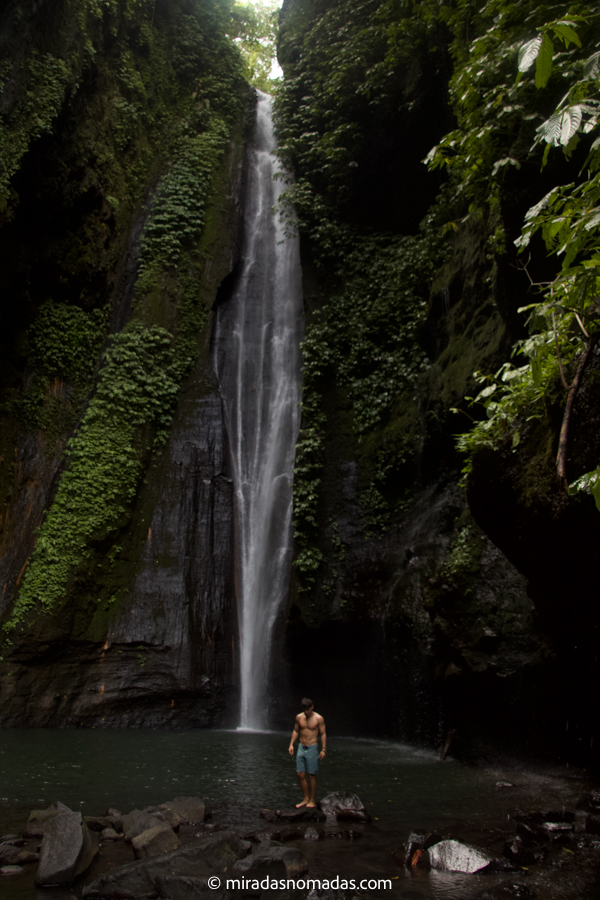
If you can only visit one waterfall in Bali, let it be this one. Sekumpul is technically a set of several waterfalls that fall from a vertical wall covered with tropical vegetation. The water falls in multiple white jets that contrast with the intense green of the jungle. It is the image of postcard that appears in all the rankings of the best waterfalls in Bali, and with reason.

The road is not trivial: off-road trail, river crossing, makeshift stairs, and hiking through dense jungle. It's 20-30 minutes of real effort, but when you arrive and see the curtain of water crashing against the rocks while hundreds of drops create a permanent fog, it all makes sense. Visitors call it a «hidden wonder» and «Bali's best» consistently.
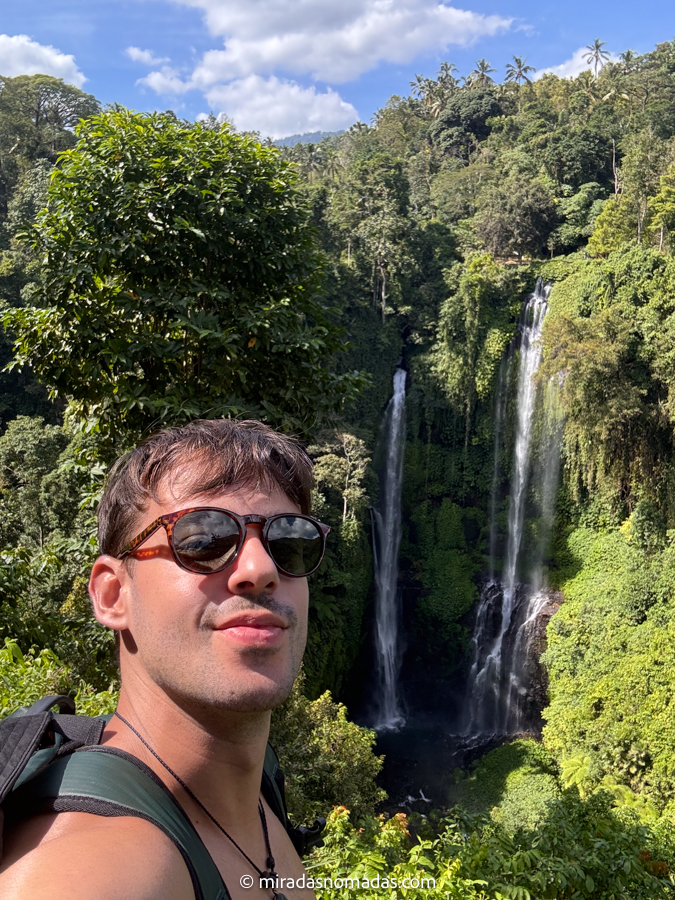
In my case I hired a local guide (optional but recommended), who knew shortcuts and secret viewpoints. The flow varies dramatically: in rainy season it is a spectacle of natural power; in dry season, more accessible but less dramatic.
Adventure Tab
📍 Location: Sekumpul village, northern Bali (2h from Ubud, 1h from Lovina)
📈 DifficultyMedium-high - Uneven trail, jungle hike and water crossings.
⏱️ Estimated time20-30 min one way, 40 min return with photographic stops
💰 Entrance15,000-20,000 rupees (1-1.20€), optional local guide ~150,000 rupees
💦 BañableYes, but the water is cold and the current can be strong depending on the season.
💬 Explorer TipCombine the visit with other waterfalls of the north of Bali like Git Git or the Banyumala. If it rains, reconsider the visit: the path becomes dangerous and the water descends cloudy.
3. Nungnung: The Vertical Challenge
The Experience
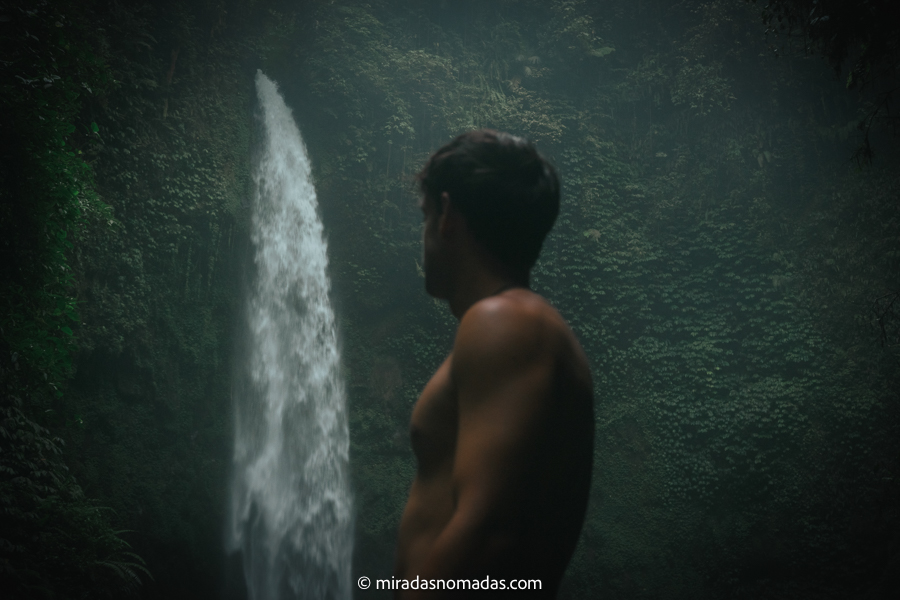
More than 500 steps. Steep. No intermediate rests. The descent is deceptive, almost fun. The climb back up is where you pay the price: your legs will burn, your breathing will quicken, and you'll question your life choices. But Nungnung is one of the highest waterfalls in Bali (~70 meters) with an impressive vertical drop.

The water falls with force, creating a permanent cloud of steam that refreshes the environment. The noise is deafening up close, pure natural power. There's a cool pool perfect for swimming, and believe me you'll need it after the hike. It's one of those waterfalls in Ubud (technically nearby, in Pekundulan) that separate the curious from the adventurous.
It is not for everyone. If you have knee problems or limited fitness, consider other options. But if you are looking for one of the best waterfalls in Bali with a sense of accomplishment included, here it is.
Adventure Tab
📍 Location: Pekundulan, near Ubud (30 min by scooter from downtown)
📈 Difficulty: High - More than 500 steep steps, strenuous ascent
⏱️ Estimated time: 20-30 min one way, 40-50 min return (with stops to take a breath)
💰 Entrance: 10.000-15.000 rupees (0,60-0,90€)
💦 BañableYes, deep and cold well. Bathing is almost mandatory after the descent.
💬 Explorer TipGo early (7:00-8:00 AM) to avoid the midday heat on the way up. Bring extra water. Take it easy on the steps: haste here only guarantees slips.
4. Tegenungan Waterfall: The Perfect Initiation
The Experience
If it is your first time chasing waterfalls in Bali, Tegenungan (sometimes written as Tegenungang) is your ideal starting point. It is only 10 km from Ubud, accessible by car, and the descent is a modest 5-10 minutes by well-maintained stairs. No epic trekking or Indiana Jones trails.
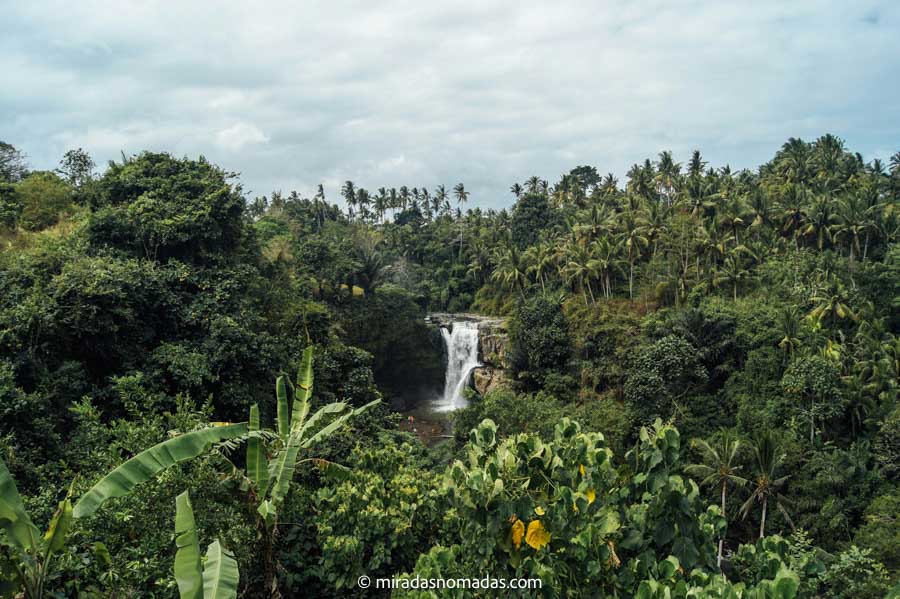
It is the most touristic of the waterfalls in Ubud, which has pros and cons. Pro: infrastructure, restrooms, warungs (local restaurants) nearby. Cons: can be crowded, especially between 11:00-15:00. The torrent is strong during the rainy season, creating a powerful visual spectacle, but the bathing area is cordoned off for safety.
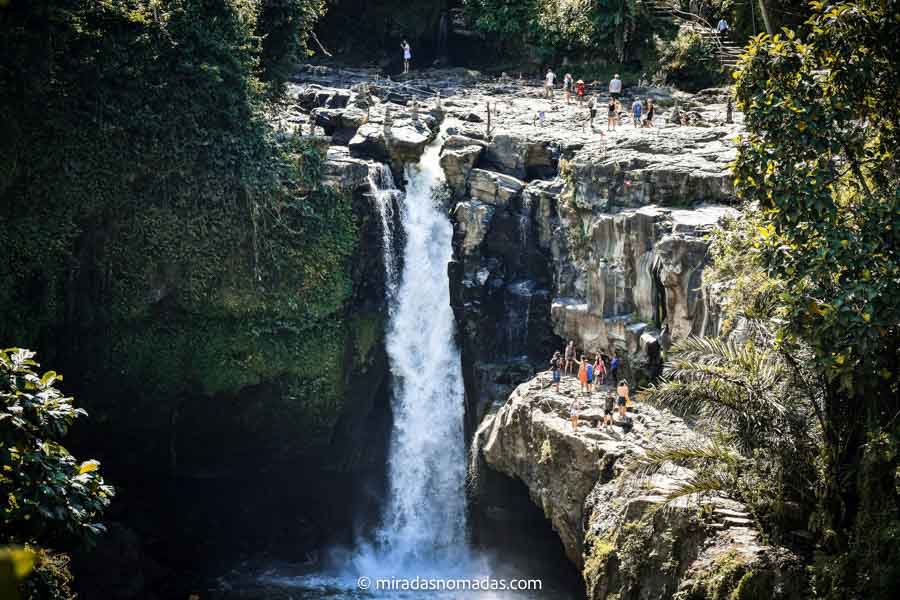
It is perfect if you are traveling with family, have limited time, or simply want to try the concept of waterfalls in Bali without committing to an expedition. Then you can graduate to the more demanding ones.
Adventure Tab
📍 Location: Kemenuh, 10 km from Ubud (15-20 min by scooter)
📈 Difficulty: Low - Accessible with maintained stairs
⏱️ Estimated time: 5-10 min round trip
💰 Entrance: 20.000 rupees (1,20€)
💦 BañableYes, limited area. Be careful with the current during the rainy season.
💬 Explorer TipVisit at sunset (16:30-17:30) when the light is nicer and there are less people. There are swings and commercial photo spots nearby, Instagram type, if you are into that. Combine it with the rice terraces of Tegallalang on the same day.
5. Leke Leke Waterfall: Connecting with Pure Nature
The Experience
Leke Leke is that waterfall that you discover by recommendation of a local, not because it is in all the tours, although every time it is more and more popular. Hidden in a lush forest in north-central Bali (Lemah Kawung, near Sambangan), it requires a short (10-15 min) steep hike that makes you sweat, but the reward is a tall waterfall cascading into a small pool surrounded by vegetation so dense that hardly any direct light enters.

It is less massive than Tegenungan, less intimidating than Nungnung. The trail is well marked but maintains that feeling of going into wild territory. The water is cold (surprise: they all are), and the pool is deep enough to swim a few meters.
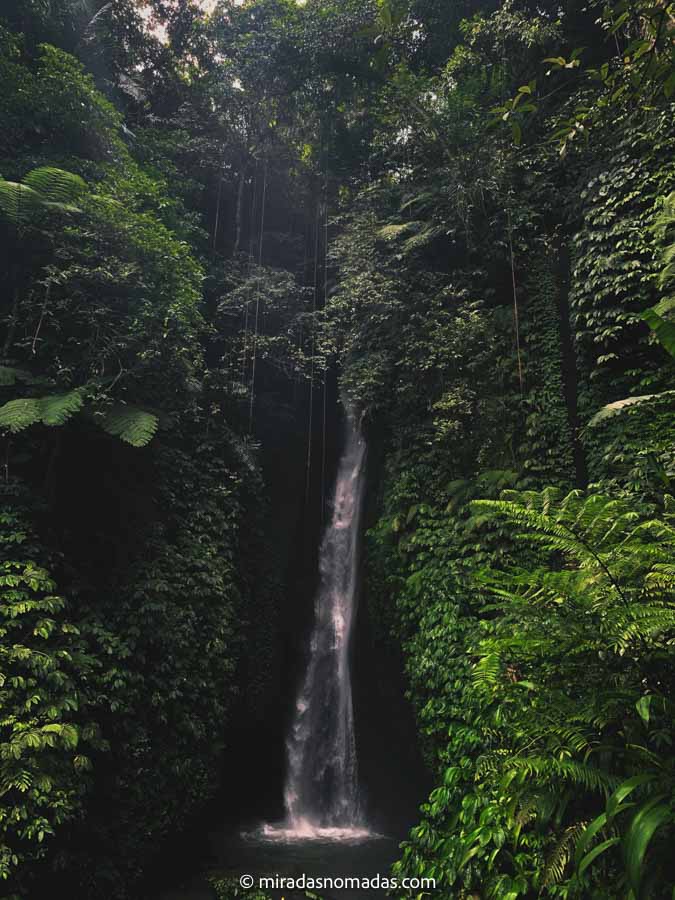
It is an excellent option if you are looking for one of the best waterfalls in Bali without the tourist circus or extreme physical punishment. Perfect balance.
Adventure Tab
📍 Location: Lemah Kawung, north-central Bali (near Sambangan, 1h from Ubud)
📈 Difficulty: Medium - Short but intense steep hike
⏱️ Estimated time10-15 min one way, 15-20 min return trip
💰 Entrance: 20.000 rupees (1,20€)
💦 Bañable: Yes, small but deep well. Ideal for cooling off, not for long swims.
💬 Explorer TipIt works genial as intermediate stop if you are making route by the north of Bali. Combine it with Sekumpul or Munduk for a full day of waterfalls. It takes footwear that you can wet: you will have to cross a small stream.
6. Git Git Waterfall: The Photogenic of the North
The Experience
In the Munduk region, known for its waterfalls and coffee plantations, Git Git stands out as one of the most beautiful and accessible of the north of Bali. The path of 15-20 minutes crosses tropical jungle with giant ferns and the constant sound of the water like soundtrack. The waterfall itself falls vertically creating a perfect white veil for photos, with a wide well where you can swim without worrying about the depth.
It is not the highest nor the most powerful, but it has that balance of natural beauty, reasonable accessibility and authentic atmosphere that makes it one of the best waterfalls in Bali if you value the full experience.
The Munduk area has several waterfalls nearby (Melanting, Munduk), so you can do a «waterfall-hopping» route if you are ambitious. Git Git is the logical starting point.
Adventure Tab
📍 Location: Munduk, North Bali (1.5h from Ubud, 45 min from Lovina)
📈 Difficulty: Medium - Short hike through the jungle with slight slopes.
⏱️ Estimated time15-20 min one way, similar return
💰 Entrance: 10.000 rupees (0,60€)
💦 BañableYes, large and accessible well. One of the best for swimming
💬 Explorer TipIf you are touring northern Bali, Combine it with the twin lakes (Tamblingan and Buyan) and the coffee plantations of Munduk for a perfect day. There are locals offering guides, but the trail is well marked.
7. Banyumala Twin Waterfalls: The Double Beauty
The Experience
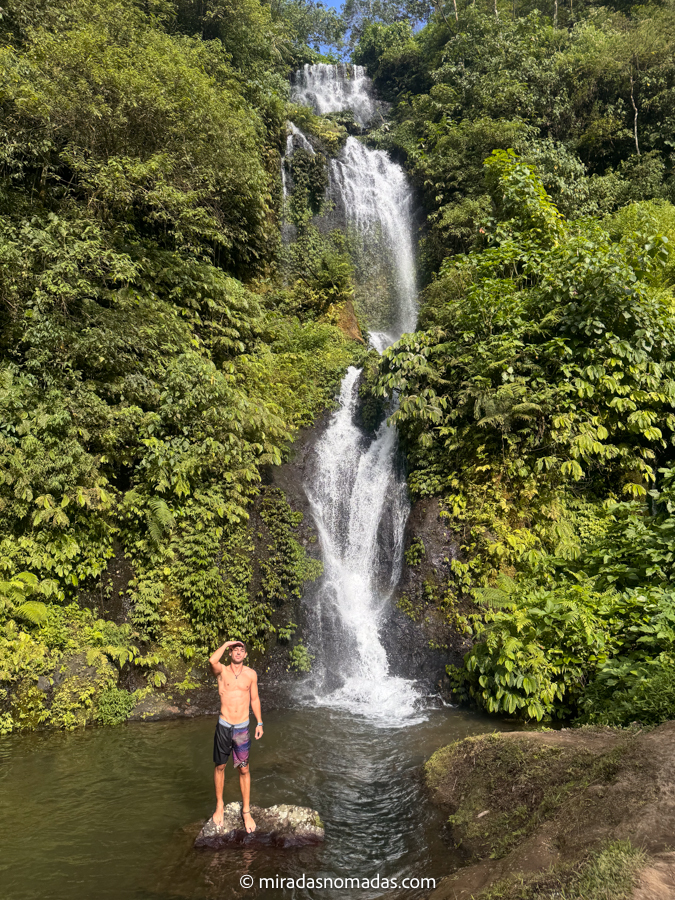
Banyumala is special because they are two parallel waterfalls falling from the same cliff, like twin sisters of water. Located in Wanagiri (north-central Bali), it requires a steep hike of about 15 minutes that makes you work, but the final scene is postcard-worthy: two jets of water falling into a turquoise pool surrounded by tropical vegetation.

I would say it is «beautiful and photogenic», although it is admittedly less impressive than others. That's a fair assessment: it doesn't have the WOW factor of Sekumpul or the magic of Tukad Cepung, but it offers a tranquil atmosphere and a unique setting among waterfalls in Bali. It is perfect for swimming (the pool is wide and shallow), and is usually less crowded than the more famous ones.
Ideal if you have already visited the big ones and are looking for variety, or if you are in the northern lakes area and want to round off the day with a refreshing dip.
Adventure Tab
📍 Location: Wanagiri, north-central Bali (1h 15min from Ubud)
📈 Difficulty: Medium - Steep but short hike
⏱️ Estimated time15 min one way, 20 min return
💰 Entrance: 20.000 rupees (1,20€)
💦 BañableYes, large and shallow well. Very safe for families
💬 Explorer Tip: It works great after visiting the Ulun Danu temple at Lake Beratan or the Wanagiri sky gates (those you see on Instagram). Bring snacks and water: there are no warungs immediately nearby.
Practical Guide for the Waterfall Hunter in Bali
Best Time to Go: Dry Season vs. Rainy Season
Rainy season (November-March):
- ✅ Waterfalls with maximum flow, powerful visual spectacle
- ✅ Greener and more intense vegetation.
- ❌ Slippery and dangerous trails.
- ❌ Turbid water due to sediment entrainment.
- ❌ Risk of flash floods.
Dry season (April-October):
- ✅ Safer and drier trails.
- ✅ Crystal-clear water perfect for swimming
- ✅ Better visibility for photography
- ❌ Reduced flow (some less impressive waterfalls).
- ❌ More tourists in general
The sweet spotMay-June and September-October. There is still decent flow from the last rains, but the trails are passable and the water is clear.
Transportation and Access: Getting Around
Most of the waterfalls in Bali are in rural areas without direct access by public transport. Your options:
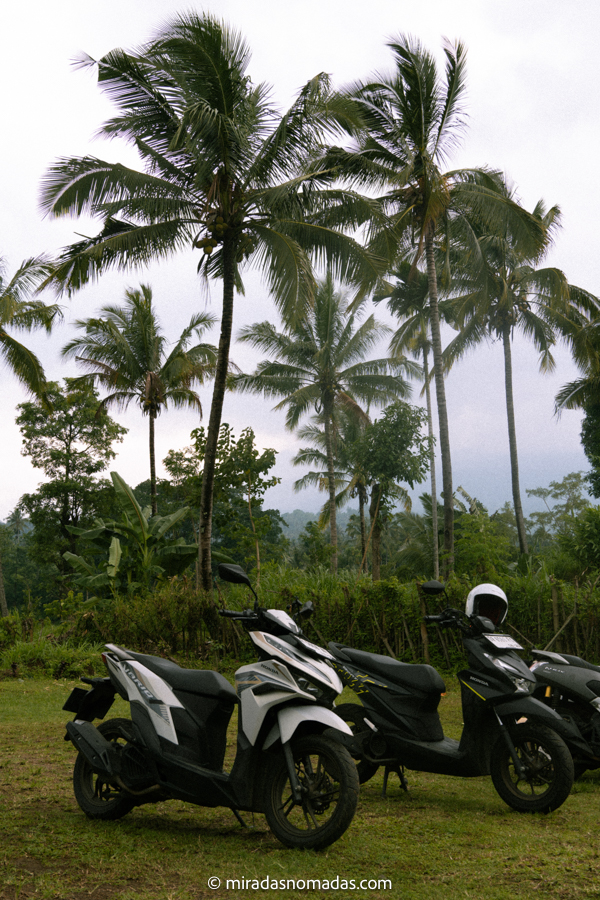
Scooter/motorcycle (recommended for adventurers):
- Total freedom of schedules
- Access to remote waterfalls
- Cost: 50,000-75,000 rupees/day (3-4.50€)
- International license and experience required (mountain roads are treacherous).
Private driver:
- Maximum convenience, local knowledge
- Useful if you are traveling in a group or with your family
- Cost: 500,000-700,000 rupees/full day (30-42€) negotiable
- They can wait while you visit the waterfalls
Organized tours:
- All-inclusive, no logistical worries
- Less flexible, fixed schedules
- Useful if you have limited time or are traveling alone
For plan your base of operations, Ubud is the perfect center for accessing waterfalls in the south and center. If you are going to explore the north (Sekumpul, Git Git), consider spending a night in Munduk or Lovina.
Adventure Map: Key Waterfall Areas in Bali
Central-South Zone (near Ubud):
- Waterfalls: Tegenungan, Nungnung, Tukad Cepung
- Profile: Accessible, ideal for beginners and can be combined with cultural visits.
- Recommended base: Ubud
Northern Zone (Munduk-Sambangan):
- Waterfalls: Sekumpul, Git Git, Leke Leke, Banyumala
- Profile: More remote, spectacular, more time-consuming
- Recommended base: Munduk or Lovina
East Zone (Bangli-Karangasem):
- Waterfalls: Tukad Cepung
- Profile: Unique waterfalls in caves and rock formations
- Combinable: Temples (Besakih) and rice fields of Sidemen
Essential Equipment: Checklist
Small waterproof backpack with:
- 🥾 Amphibious shoes or shoes with good grip (trail running type)
- 👙 Swimsuit + microfiber towel
- 📱 Waterproof cell phone/camera case
- 💧 Reusable water bottle (min. 1L)
- 🧴 Biodegradable sunscreen (chemicals damage ecosystems)
- 🦟 Natural mosquito repellent
- 💵 Cash in rupees for entrance fees (many do not accept credit cards)
- 🍫 Energy snacks (bars, fruit, nuts)
Optional but useful:
- Folding trekking pole for steep stairs
- Quick-drying long-sleeved T-shirt (sun and mosquito protection)
- Airtight bag for wet clothes
Etiquette & Sustainability: Being a Responsible Traveler
Waterfalls in Bali are sacred spaces for many local communities, not just tourist attractions. Some guidelines:
- Leave no traceTake your garbage with you, always. This includes fruit peelings
- Respect the offeringsYou will see canang sari (flower offerings) on some trails. Do not touch them or push them away
- Use reef-safe sunscreenNews : Traditional chemicals destroy aquatic ecosystems
- Do not touch the vegetationMosses and ferns are fragile.
- Respect wildlifeDo not feed monkeys or other animals
- Supports the local economy: Shop at local warungs, hire guides from the communities
- Avoid peak hours: Less overcrowding = better experience + less impact
If you are interested in other sustainable activities in Bali, Combining waterfalls with cultural experiences in traditional villages is an excellent way to have a more authentic trip.
Combined Routes: Maximize your Adventure
Epic North Route (full day):
Sekumpul → Git Git → Banyumala
- Distance: ~30 km between points
- Time: 8-10 hours with visits
- Level: High (lots of walking)
- Reward: The three best waterfalls in the north of Bali.
Ubud Express Route (half day):
Tegenungan → Tukad Cepung
- Distance: ~25 km
- Time: 4-5 hours
- Level: Moderate
- Perfect for: First timers or those with limited time
Photographic Route (full day):
Tukad Cepung (early morning) → Nungnung (noon) → Leke Leke (afternoon).
- The three most photogenic
- Requires good physical fitness
- Departure before 7:00 AM recommended
Beyond the 7: Other Waterfalls in Bali Worth Mentioning
If you have already conquered the main ones and are looking for more adventure, consider:
- Aling-Aling Waterfall: With natural slides and cliff jumping (north of Bali)
- Tibumana WaterfallDescription : Small but charming, close to Ubud
- Kanto Lampo WaterfallWith unique rock formations in the shape of staircases
- Munduk Waterfall: The village waterfall, less touristic but beautiful
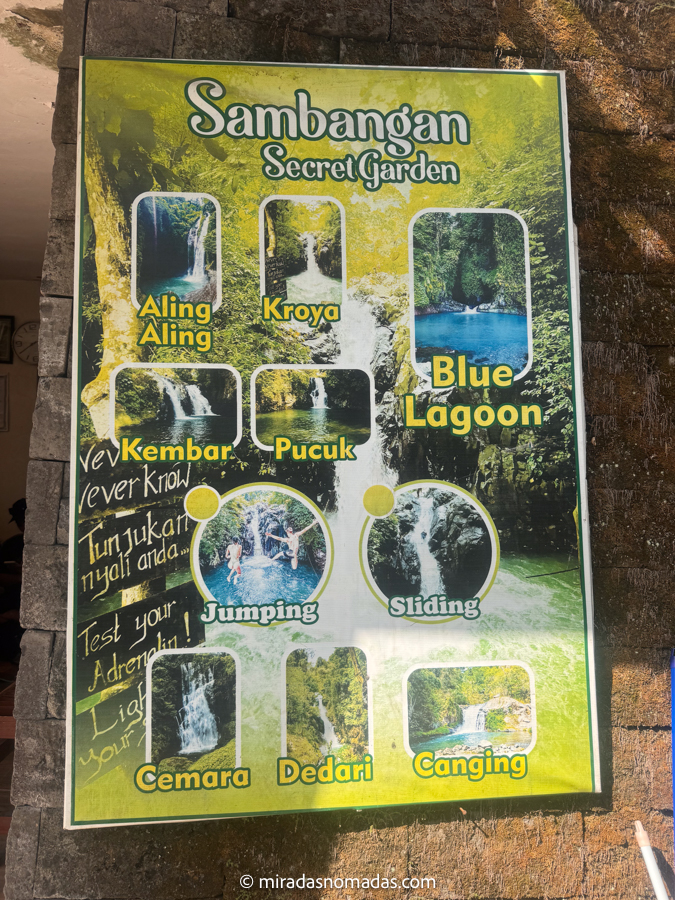
Each one has its own personality. Bali has enough waterfalls for weeks of exploration if you really get hooked.
Frequently Asked Questions from Real Travelers
Can I visit waterfalls in Bali with small children?
Yes, but choose carefully. Tegenungan and Git Git are the most family-friendly. Avoid Nungnung (too many steps) and Sekumpul (complex trail) with children under 10 years old.
Is it safe to go to the waterfalls alone?
Generally yes, especially in the most popular ones where there are always other visitors. For remote ones like Sekumpul, consider hiring a local guide or going in a group.
Do I need to be in good physical shape?
It depends on which one you choose. Tegenungan is suitable for almost everyone. Nungnung and Sekumpul require at least moderate fitness. Be honest with yourself: a medical evacuation from the jungle is complicated.
What do I do with my stuff while swimming?
Most waterfalls have local «guards» who take care of backpacks for a tip (10,000-20,000 rupees). Even so, do not carry unnecessary valuables.
Are the waterfalls open every day?
Generally yes, but some close temporarily after heavy rains for safety. Check with your lodging before you go.
Conclusion: The Sound of Falling Water
There is something primal and deeply satisfying about standing in front of a waterfall. The deafening noise of the water, the cool mist on your face after a hike in the tropical sun, the feeling of having discovered something special even though a thousand people have done it before you. The waterfalls in Bali offer that and more: they are portals to a wilder and greener version of the island, far from the crowded beaches and the beach clubs of Seminyak.
From the cinematic magic of Tukad Cepung to the vertical challenge of Nungnung, through the postcard beauty of Sekumpul, Each of these waterfalls tells a different story of the Balinese landscape. They are not just destinations to check off a list, but experiences that reconnect you with nature and, in the process, remind you that the best things require effort.
If you are planning your trip to Bali, Include at least two or three waterfalls in your itinerary. Your legs will protest during the climb back up, your clothes will be soaked with sweat and water, but when you look at the photos weeks later, you will smile remembering that exact moment when the cold water hit your face and you thought: «This is exactly why I travel».
Respect nature, leave no trace, support the local communities that maintain these treasures, and enjoy the reward of having earned every step. The waterfalls in Bali await you, with all their power, beauty and that hypnotic sound of falling water that will haunt you long after you return home.
And if after all this you need to rest your muscles, you can always return to the best beaches in Bali or explore the waterfalls in neighboring Lombok to compare. But that's another adventure.
